Aerospace
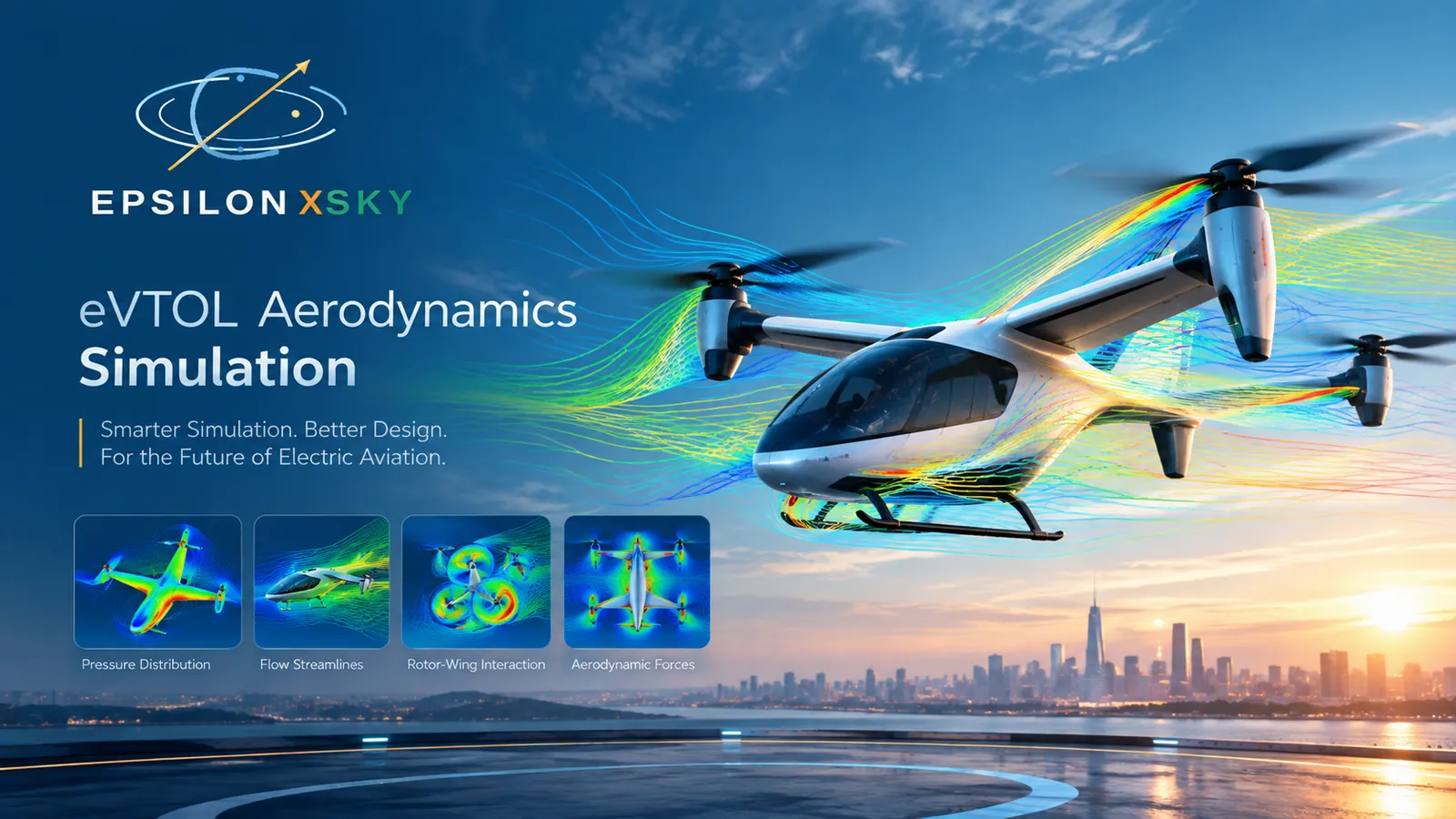
eVTOL Aerodynamics simulation
2,000 EGP
6 projects
6 projects
Aerospace
Aerospace
Aerospace
Aerospace
FreeAerospace
Aerospace
We provide the capability to develop customized Reduced Order Models (ROM) tailored to your specific application and operating conditions. These models are designed to significantly reduce computational cost while maintaining high accuracy for real-time or iterative engineering analysis. Our approach, methodology, and technical know-how are demonstrated in the showcase video included with this product, where we present the workflow from high-fidelity CFD simulation to ROM generation and validation.

The aerospace industry represents one of the most demanding fields for Computational Fluid Dynamics (CFD) due to the extreme conditions encountered in flight, propulsion, and atmospheric interaction. From subsonic aircraft to hypersonic vehicles and rocket launches, accurate simulation is essential to ensure performance, safety, and structural integrity.
At epsilonX CFD Shop, we provide advanced aerospace-focused simulation templates, workflows, and engineering tools that replicate real industrial environments—enabling engineers to analyze complex flow physics with precision and efficiency.
Scope of Aerospace CFD Applications – External Aerodynamics (Aircraft & Missiles) CFD is used to analyze airflow around aerospace vehicles across all flight regimes including subsonic transonic supersonic and hypersonic conditions with detailed investigation of compressibility effects shock wave formation and interaction boundary layer development transition and separation phenomena enabling accurate prediction and optimization of lift drag and overall aerodynamic stability and control characteristics for high-performance designs this includes advanced applications such as aircraft wing and airfoil design for improved efficiency and reduced drag missile aerodynamics for trajectory accuracy and reduced aerodynamic heating unmanned aerial vehicle performance analysis for endurance and maneuverability optimization and the development of supersonic and hypersonic vehicles where thermal loads shock interactions and high-speed flow physics are critical to structural integrity and mission success.


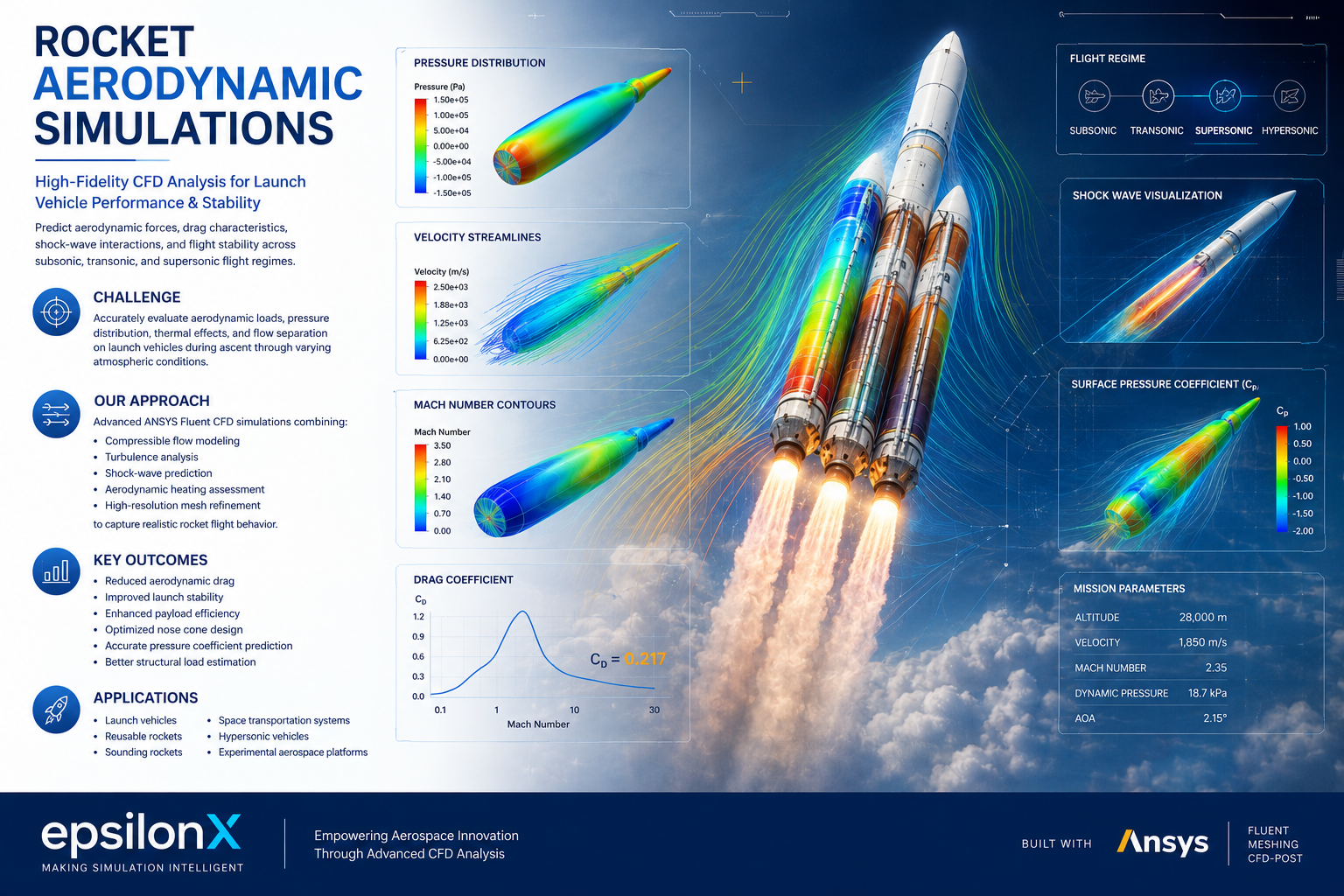
Rocket propulsion involves highly complex flow physics including compressible flow combustion turbulence and intense thermal effects where CFD is applied to accurately capture and predict coupled fluid dynamic and heat transfer phenomena under extreme operating conditions covering critical simulation aspects such as nozzle flow expansion through converging diverging geometries with analysis of pressure temperature and velocity distributions exhaust plume behavior including mixing entrainment and plume dispersion in ambient atmosphere shock diamond formation driven by overexpanded or underexpanded flow conditions and strong compressibility effects influencing jet structure and stability ground interaction during launch where high velocity exhaust impingement generates complex recirculation zones pressure loads and debris effects and evaluation of thermal loads on nearby structures due to convective and radiative heat transfer ensuring structural safety and integrity in launch environments
Thermal Protection and Re entry Analysis in aerospace involves extreme aerodynamic and aerothermal conditions encountered during high speed flight and atmospheric re entry where CFD is utilized to accurately predict coupled flow and heat transfer phenomena under severe thermal loads enabling detailed evaluation of aerodynamic heating caused by viscous dissipation and shock wave interactions precise heat flux distribution over vehicle surfaces critical for structural integrity assessment performance of thermal protection systems including insulation and heat shielding efficiency and advanced modeling of ablation and material response where surface recession pyrolysis and energy absorption mechanisms are captured this supports high fidelity applications such as spacecraft re entry analysis ensuring survivability through peak heating phases hypersonic vehicle design where sustained high temperature exposure governs material selection and configuration and high speed flight systems where thermal management and aerodynamic performance must be simultaneously optimized
Internal Flow Systems in aerospace propulsion and cooling involve complex fluid dynamics within confined geometries where CFD is essential for analyzing and optimizing performance of subsystems such as jet engines and compressors including multi stage flow interaction blade aerodynamics and stall behavior fuel injection systems where atomization mixing and spray dynamics directly impact combustion stability and efficiency cooling channels integrated within high temperature components to ensure effective heat removal and material protection and turbomachinery where rotating flow fields and energy transfer mechanisms are critical engineers utilize CFD to evaluate pressure losses across components to minimize efficiency penalties ensure flow uniformity for stable and predictable operation assess combustion efficiency through detailed mixing and reaction modeling and optimize thermal management by accurately predicting heat transfer coefficients temperature distribution and cooling effectiveness under extreme operating conditions
in aerospace CFD involve handling highly complex and strongly coupled physical phenomena where accurate prediction requires advanced numerical methods and high fidelity modeling including compressible flow behavior across wide Mach number ranges where density variations dominate the flow physics the presence of shock waves and expansion fans leading to abrupt changes in pressure temperature and velocity fields turbulence modeling at high Reynolds numbers where flow separation transition and anisotropic turbulence structures must be resolved or modeled multi phase and reacting flows especially in propulsion systems where fuel air mixing chemical reactions and phase interactions occur fluid structure interaction where aerodynamic loads interact with structural deformation affecting performance and stability and high temperature effects including real gas behavior thermal radiation and material property variation with temperature to address these challenges advanced computational approaches are employed such as density based solvers optimized for compressible high speed flows the k omega SST turbulence model which provides robust prediction of boundary layer behavior and separation under adverse pressure gradients and high fidelity approaches like Large Eddy Simulation and Detached Eddy Simulation enabling detailed resolution of unsteady turbulent structures in critical regions while balancing computational cost and accuracy

Aerospace CFD is used across multiple sectors:
Aircraft and UAV design
Rocket and launch systems
Defense and missile systems
Spacecraft and satellites
Hypersonic research
Wind tunnel validation studies


Reduces dependency on expensive experimental testing
Enables simulation of extreme conditions
Improves design accuracy and safety
Accelerates development cycles
Supports digital twin engineering
Understanding the applications of aerodynamics and aerospace CFD simulation is essential in a variety of engineering fields. These disciplines play a critical role not only in aircraft and spacecraft development but also in automotive engineering, civil infrastructure, sports, and more. The integration of aerodynamic simulation and aerodynamic analysis software helps engineers and designers optimize performance, reduce energy consumption, and enhance safety. Below, we explore some of the most prominent applications where aerodynamics and aerospace CFD are making a significant impact.
The use of aerodynamics in cars is a growing area of interest, especially with the global push for fuel efficiency and high-performance vehicles. In automotive engineering, aerodynamic simulation is used to reduce drag force and improve vehicle stability. For racing cars, an efficient car aerodynamics CFD design can lead to higher speeds and better cornering performance by generating downforce.
Every curve and vent in a modern car is influenced by CFD analysis of car aerodynamics. Engineers rely on aerodynamic simulation software to visualize airflow around the vehicle, making informed design decisions to reduce turbulence, enhance cooling, and lower fuel consumption. This integration of aerospace CFD simulation methods into the automotive industry showcases the crossover potential of aerodynamic cfd simulation technologies.

Figure 3- Flow around a Vehicle Aerodynamics CFD Simulation, ANSYS Fluent Aerodynamics Tutorial
Aircraft are perhaps the most iconic application of aerodynamics and aerospace CFD simulation. Every component, from the aircraft engine to the wings and tail fins, is designed using aerodynamic principles. The objective is to reduce drag, enhance lift, manage airflow-induced vibrations, improve fuel efficiency, and ensure overall flight stability and safety.
Modern CFD aerodynamics software, such as ANSYS Fluent, is widely used to simulate real flight conditions before any physical prototype is built. This simulation capability not only saves time and cost but also increases design precision. Aerodynamics CFD has become an essential part of aircraft development pipelines. Tools like aerodynamic analysis software allow engineers to fine-tune the smallest design details, ensuring the final product performs optimally under diverse atmospheric conditions.

Figure 4- Standard Dynamic Model CFD Simulation Using Overset Grid – Experimental Paper Validation
Airfoils are fundamental to multiple applications, including airplane wings, wind turbines, HVAC systems, and steam turbines. The shape of an airfoil determines how air flows around it, influencing lift, drag, and overall performance. Research and development in airfoil design heavily rely on aerodynamic CFD analysis. Rather than costly wind tunnel experiments, engineers often opt for aerodynamic simulation using high-resolution meshes and turbulence models within CFD aerodynamics software. Whether you’re designing the blade of a wind turbine or a fan in a data center, understanding airfoil behavior through aerodynamics cfd simulation is crucial.

Figure 5- Wavy Wing Airfoil CFD Simulation – ANSYS Fluent Aerodynamics Tutorial
In civil engineering, particularly for skyscrapers and long-span bridges, external aerodynamics CFD is essential for safe and efficient structural design. Tall buildings must be designed to withstand wind loads that can cause dangerous vibrations, discomfort, and even resonance-induced failure. Civil engineers use CFD analysis aerodynamics to evaluate how air flows interact with structures, minimizing noise and optimizing energy efficiency in ventilation systems. Tools like ANSYS Fluent aerodynamics are common in civil engineering simulations.

Figure 6- Ventilation of Courtyard Building CFD Simulation, ANSYS Fluent Aerodynamics Tutorial
In space applications, aerospace systems push the boundaries of science and engineering. Satellites, rockets, and space probes must navigate both atmospheric and space environments. Designers must consider factors such as supersonic airflow, heat transfer, and re-entry dynamics, all of which are governed by aerodynamic principles. Because physical experiments for space missions are extremely costly, aerospace CFD simulation becomes indispensable. Engineers use CFD aerodynamics to model airflow and thermal stresses on vehicles during launch and atmospheric re-entry. Due to the high cost of experimental studies in the branch space exploration projects, CFD simulation is a suitable way for studying that branch.

Figure 7- Missile Launching CFD Simulation Using Dynamic Mesh – ANSYS Fluent Aerodynamics Tutorial
You may not immediately associate aerodynamics with sports, but it plays a huge role in optimizing performance and equipment. Cyclists, for example, adopt aerodynamic postures to reduce drag and ride faster. In swimming, athletes train to minimize drag through body position and gear. Golf balls are designed with dimples that improve airflow and reduce drag through controlled turbulence.
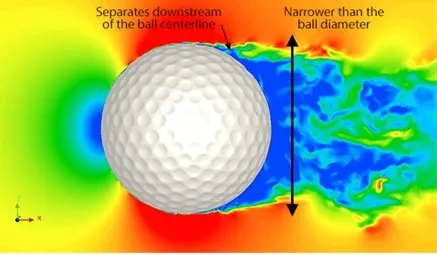
Figure 8- CFD Simulation of Airflow around a Golf Ball: Visualizing Turbulence and Drag Reduction
Even in sports like skiing, running, and skating, aerodynamic simulation software is employed to analyze how clothing and equipment interact with air. CFD simulations have become common in sports research facilities, helping to improve athlete performance and gear design. Universities and performance labs often run aerodynamics simulation free software to study these interactions in controlled environments.
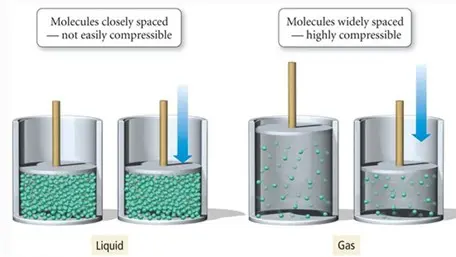
Figure 9- Wingsuit Flyer CFD Simulation – ANSYS Fluent Aerodynamics Tutorial
When it comes to aerodynamic design, whether for aircraft, automobiles, or high-performance sports equipment, understanding the key flow characteristics is crucial. These parameters determine how air interacts with surfaces, affecting lift, drag, stability, and overall performance efficiency. Below are the most important factors engineers and researchers consider in aerospace simulation and aerodynamic analysis:
Compressibility refers to whether a fluid’s density changes with pressure. In aerospace applications, air is typically treated as a compressible fluid, especially at high velocities. Compressible flows are more complex to analyze in CFD aerodynamic simulations, but they’re essential in aircraft and missile design, where pressure and temperature changes are significant. A flow is defined as compressible if its velocity exceeds 30% of the speed of sound in that fluid. However, for slower speeds, the air can be assumed incompressible, simplifying the CFD modeling.

Figure 10- Comparison of Compressibility between Liquids and Gases Based on Molecular Spacing
One of the critical aspects of aerodynamic simulation is the flow speed relative to the speed of sound—described by the Mach number. The design considerations vary significantly for subsonic, transonic, supersonic, and hypersonic flows. In supersonic design, shock waves and expansion fans must be accurately modeled to optimize performance and ensure safety.
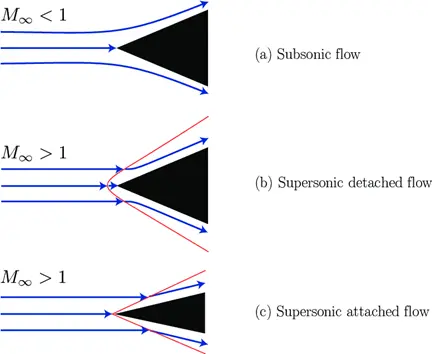
Figure 11- The propagation of disturbances in (a) subsonic and (b) supersonic flow and attached (b) with detached (c) shock properties. The shock waves are indicated by a red line. The stream lines are depicted by blue arrows.
Flow is termed steady if its properties (velocity, pressure, etc.) do not change over time. In contrast, unsteady flow fluctuates with time, which is often the case in real-world aerospace simulations, such as during turbulence, gust encounters, or wing flapping in drones and birds. CFD tools can model both steady and unsteady flows, depending on the engineering need.
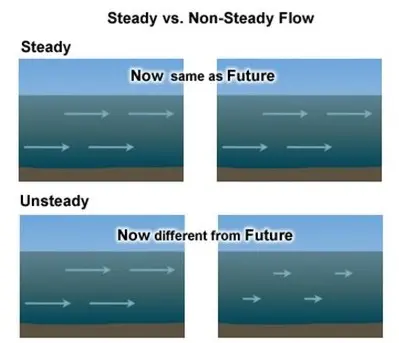
Figure 12- Comparison of Steady and Unsteady Flow Dynamics
The flow regime—whether it is laminar (smooth and orderly) or turbulent (chaotic and mixed)—has a direct effect on aerodynamic performance. Turbulent flows are common in high-speed applications and significantly impact drag and heat transfer. Accurately modeling the transition from laminar to turbulent flow is a key challenge in CFD aerodynamic design.
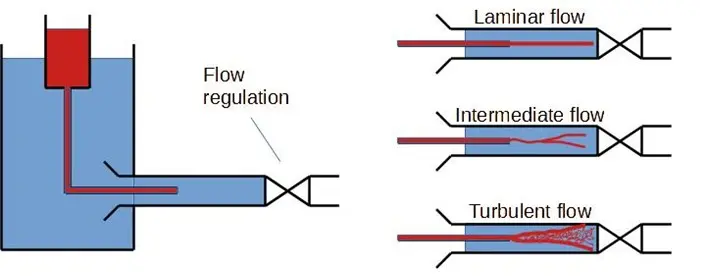
Figure 13- Reynolds Experimental Setup for Showing Different Flow Regime
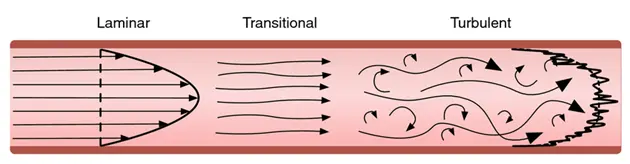
Figure 14- Flow Regimes: Laminar, Transitional, and Turbulent Flow Behavior for Inner Flow
Viscosity is another critical factor in aerodynamic analysis. While early aerodynamic theories ignored viscosity and assumed inviscid flow, modern simulations incorporate advanced turbulence and viscosity models to capture real-world behavior more precisely. This is particularly vital in boundary layer analysis and predicting flow separation.
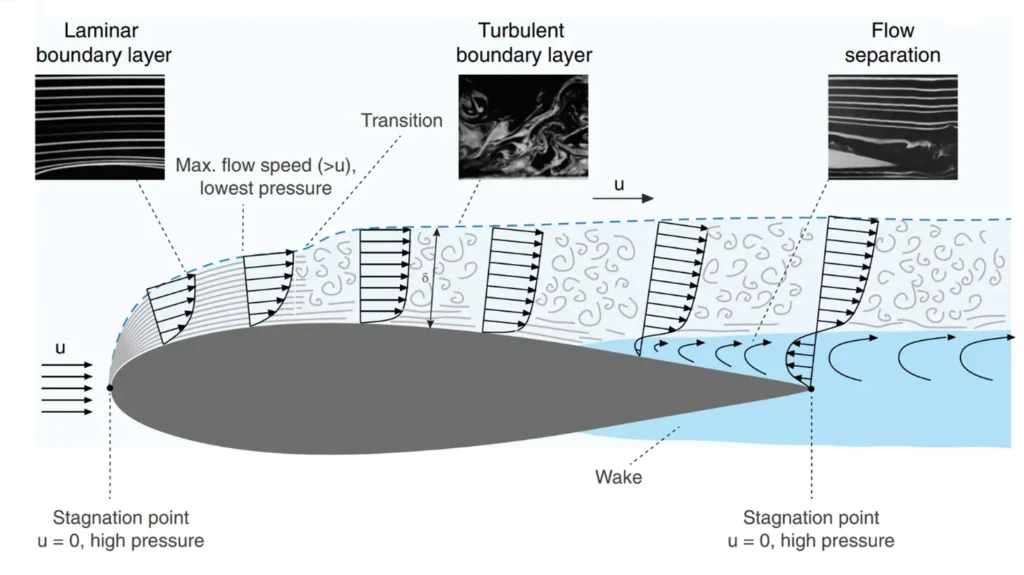
Figure 15- Visualization of Viscosity Effects on Boundary Layer Transition and Flow Separation: External aerodynamics CFD
Conducting analytical work in aerodynamics is highly complex and time-consuming. In many advanced aerospace designs, analytical methods alone are no longer sufficient to handle the nonlinearities and turbulent effects of real-world aerodynamic behavior. While experimental studies offer valuable insights, they are often expensive and time-intensive—especially for high-speed or large-scale models.
Here are some reasons why ANSYS Fluent aerodynamics tools stand out in the industry:
Offers accurate simulation of aerodynamic forces
Reduces time and cost compared to wind tunnel testing
Enables rapid design iterations
Provides visual insights into flow patterns
Supports multi-physics coupling in aerospace CFD simulations
Compatible with parallel computing for large-scale projects
The software also includes ANSYS Fluent car aerodynamics modules and ANSYS Fluent aerodynamics tutorials for engineers and students who want to sharpen their CFD skills.
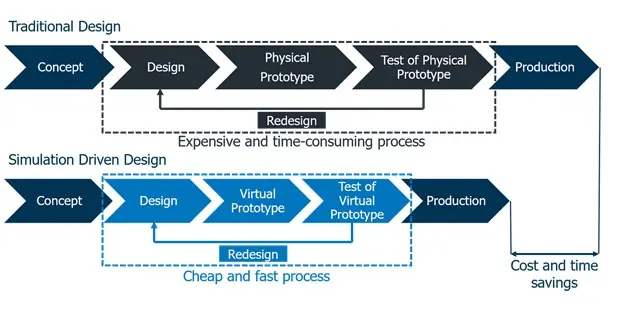
Figure 16- Benefits of ANSYS Fluent for Aerodynamic Simulation: Design and validation of processing systems using CFD

At epsilonX, we specialize in delivering high-quality solutions in aerodynamics and aerospace CFD simulation using industry-leading tools, ANSYS Fluent aerodynamics software. Our team is highly experienced in conducting aerodynamic CFD simulations and analysis, advanced modeling of compressible and turbulent flows, and CFD of external aerodynamics and turbomachinery. Whether you’re looking for an ANSYS Fluent aerodynamics tutorial, a complete CFD analysis in aerodynamics, or need assistance with your aerospace CFD projects, we’ve got you covered.
You can explore our portfolio of completed aerodynamics CFD software projects at the top of this page or browse through our ready-made simulations in the CFD SHOP.